
led tall mirror
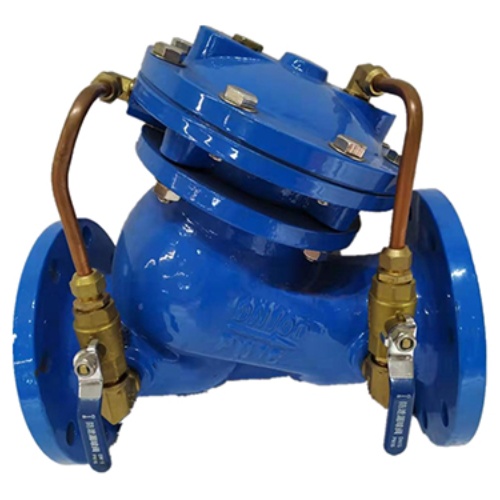
Understanding the 2% Angle Globe Valve Design, Functionality, and Applications In the vast world of fluid control systems, choosing the right valve is crucial for efficient operation and reliability. Among the myriad of valves available, the 2% angle globe valve stands out for its unique design and functionality. This article will delve into the characteristics, advantages, applications, and maintenance of the 2% angle globe valve. What is a 2% Angle Globe Valve? A globe valve is a type of valve that uses a spherical body and a movable disk-like element to control the flow of fluids. The 2% angle refers to the design angle at which the inlet and outlet ports are connected, which is approximately 2 degrees from a vertical line. This design allows for better flow control and reduced pressure drop compared to traditional globe valves. The geometry of the valve body enables a significant reduction in turbulence, leading to a more efficient flow path. Key Features and Advantages 1. Flow Control The primary function of a 2% angle globe valve is to regulate flow. The valve's design allows for precise control over the flow rate, making it ideal for applications where accurate flow measurement and regulation are essential. 2. Reduced Pressure Drop Compared to standard globe valves, the 2% angle globe valve has a more streamlined internal design, which minimizes the pressure loss across the valve. This feature helps maintain system efficiency, making it a favorable choice in various industrial applications. 3. Durable Construction These valves are typically made from high-quality materials such as stainless steel, brass, or other alloys, ensuring they can withstand the most demanding operating conditions, including high pressure and temperature. 4. Versatility The 2% angle globe valve can handle a wide range of fluids, including liquids, gases, and steam. Its adaptability makes it suitable for diverse industries, including oil and gas, chemical processing, water treatment, and HVAC systems. 5. Easy Maintenance Maintenance of the 2% angle globe valve is generally straightforward due to the valve's design. Most models allow for in-line maintenance, meaning they do not need to be removed from the pipeline for servicing. 2 angle globe valve Applications The 2% angle globe valve is employed in numerous industrial applications, particularly where flow control is critical. Common applications include - Chemical Processing The ability to finely tune flow rates makes these valves ideal for chemical reactors and other processes where precise ingredient ratios are necessary. - Oil and Gas In oil extraction and refining, controlling the flow of oil and gas safely and efficiently is paramount. The 2% angle globe valve can handle high-pressure conditions typical in this sector. - Water Treatment These valves are used in various water treatment plants to regulate the flow of treated water or chemicals used in the treatment process. - HVAC Systems In heating, ventilation, and air conditioning (HVAC) applications, the valve aids in regulating hot water and steam flow, contributing to energy efficiency. Conclusion In conclusion, the 2% angle globe valve is an essential component in the toolkit of engineers and operators across multiple industries. Its design provides significant advantages in flow regulation, pressure maintenance, and durability, making it a reliable choice for critical applications. When selecting a valve, it is imperative to consider the characteristics specific to your application and consult technical specifications to ensure compatibility and performance expectations are met. Investing in a high-quality 2% angle globe valve not only enhances system efficiency but also promotes safety and reliability in fluid control processes. Whether utilized in chemical processing or water treatment, this valve stands as a testament to engineering ingenuity, providing functionality that meets the demands of modern industrial applications.
about
led tall mirror
The Importance of a Spirit Level in Construction and DIY Projects A spirit level, also known as a bubble level, is an indispensable tool in construction and DIY projects, ensuring that surfaces are perfectly horizontal or vertical. Its simplicity and effectiveness make it a staple in the toolkit of professionals and hobbyists alike. Understanding how to use a spirit level properly can significantly enhance the quality of your work and prevent costly mistakes. At its core, a spirit level consists of a sealed glass tube containing a liquid, typically alcohol, and an air bubble. The tube is mounted in a frame, which may be made of wood, plastic, or metal . When the tool is placed on a surface, the bubble will shift to the highest point of the liquid, indicating whether the surface is level. A level surface is critical in construction, as improperly aligned structures can lead to structural failures, aesthetic issues, and safety hazards. In addition to its use in building structures like walls, floors, and shelves, a spirit level is also crucial for various tasks, including hanging pictures, installing cabinets, and laying tiles. Misalignment can result in uneven surfaces that require additional effort to correct later. For example, hanging a picture slightly askew may seem minor, but it can become noticeable over time, affecting the overall appearance of a room. a spirit level Using a spirit level is straightforward, but some nuances can improve accuracy. First, it is essential to choose the right type of level for your project. While traditional spirit levels are common, digital levels that provide precise readings are also available. These advanced tools can be particularly useful in professional settings where accuracy is paramount. Another essential aspect is the surface on which the level is placed. It’s vital to ensure that the underlying surface is clean and stable. Any debris or irregularities can affect the accuracy of the reading. Additionally, it's prudent to check the level's calibration periodically, as repeated use can lead to wear and inaccuracies. In conclusion, the spirit level is a crucial instrument that embodies the balance between simplicity and precision. Whether you're a seasoned contractor or a weekend DIY enthusiast, mastering the use of a spirit level can elevate the quality of your projects. Investing a little time in learning how to use this tool effectively can save time, effort, and resources, helping you achieve beautifully aligned results in every endeavor.
-

High quality industrial productsagement

High quality industrial products
View Details -

Meet the diverse needs of customers

Meet the diverse needs of customers
View Details -

Strict quality control

Strict quality control
View Details -

Top raw materials

Top raw materials
View Details -

Trusted supplier

Trusted supplier
View Details
Our application

news and information
Y Type Water Strainer for Efficient Filtration Solutions and Flow Management
Understanding Y-Type Water Strainers A Comprehensive Overview Water strainers are vital components i
Wooden connectors for timber structures
The Indispensable Role of Wood Timber Connectors in Modern Construction Wood timber connectors play
Versatile Clamps for Securely Holding Workpieces on Welding Tables
The Essential Guide to Welding Table Clamps Welding is an integral part of various industries, from
 English